Earth Care
Soil, water, and living systems come first. Every design begins by asking what the land needs to heal, then what it can give.

Approach
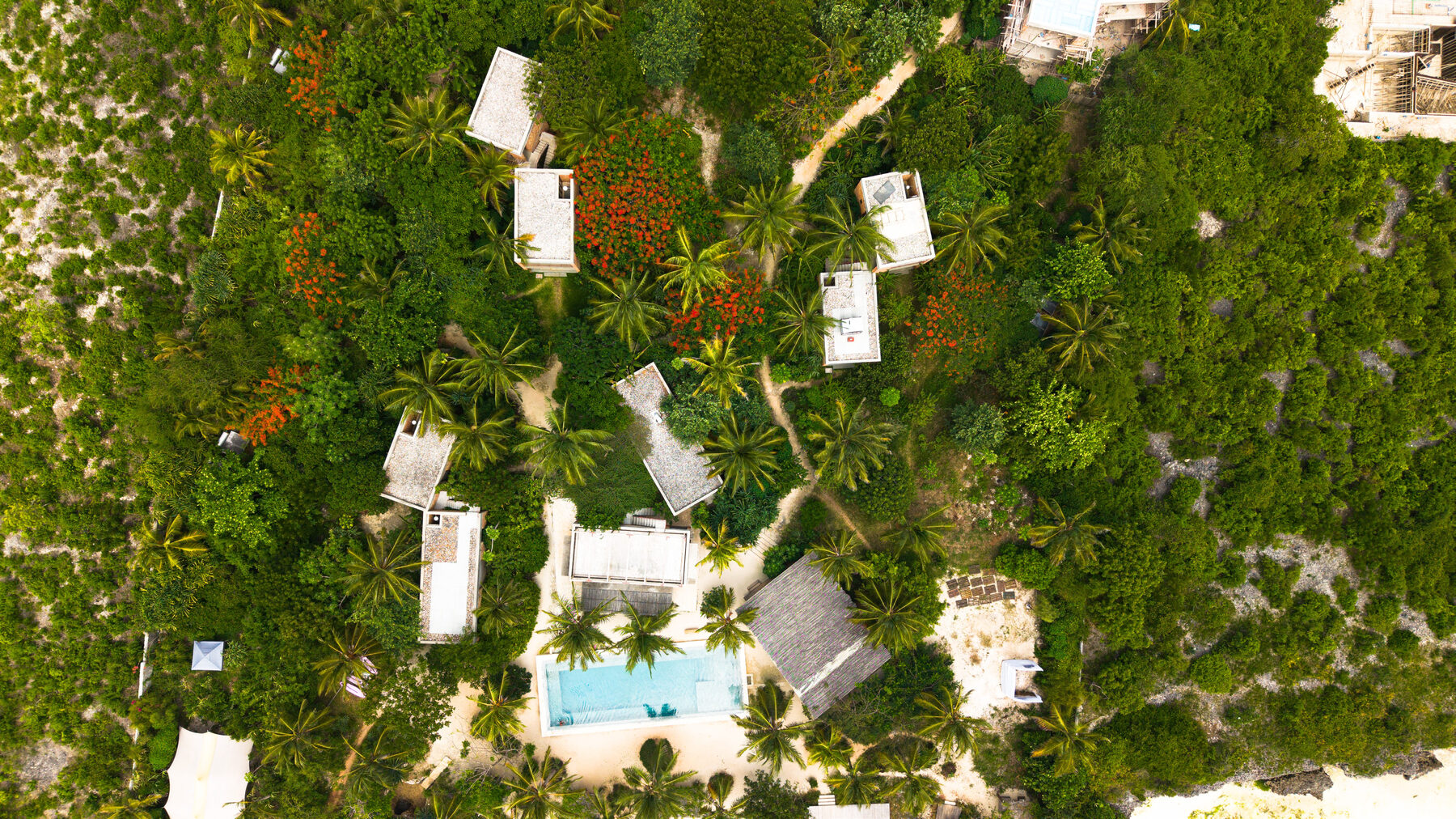
Soil, water, and living systems come first. Every design begins by asking what the land needs to heal, then what it can give.
Landscapes are inhabited. We design with - and train - the people who will tend, harvest, and live with the place long after we leave.
Yields, knowledge, and seed get redistributed. A regenerated hectare is only as good as the surplus it returns to the commons.
Sit on the land for a full season before drawing a line. The shape of the design is already there in the wind, the runoff, the existing growth - you only have to read it.
Capture rainfall in swales and tanks; capture sun in well-placed canopy and walls; capture nutrient in compost and biochar. Stored energy is what carries a landscape through the dry months.
A design that gives nothing back will not be tended. Every element should produce food, shelter, shade, fibre, fodder, beauty, or knowledge - usually several at once.
The land will tell you when you have over-planted, over-watered, or over-built. Listen to it. Adjust faster than your plan would like.
Sun, rain, wind, gravity, and biology are free and abundant. Pumps, imports, and chemicals are expensive and brittle. Design from the first list, never the second.
A waste is a yield in the wrong place. Coconut husk becomes biochar. Kitchen scrap becomes compost. Pruning becomes mulch. Greywater becomes irrigation.
Begin with the watershed, the wind, the sun arc, and the social pattern of who uses the place. Specify plants and materials only after the pattern is right.
A chicken belongs near the kitchen garden. A swale belongs near the orchard. The closer functions sit to one another, the less work the land requires.
A hectare healed slowly stays healed. Anything fast usually has to be redone.
Every monoculture is one pest away from collapse. Plant guilds, not rows. Bank seed.
The richest life on any site is along its edges - pond margin, forest edge, path verge. Design more edge.
Climate, market, and community will all shift. A regenerative design is a hypothesis, not a monument. Keep editing.
We don't just design - we grow living systems. Rooted in permaculture ethics and shaped through collaboration, our process brings regenerative solutions to life.
Listen
We collaborate with stakeholders through workshops and site analysis to understand needs and aspirations. Designs are co-created, not imposed.
Observe
We read the climate, soil, water systems, and biodiversity of the place - then design integrated landscapes that support ecological, agricultural, and social systems.
Teach
Skills development is woven through the whole project. Teams and community members learn by doing so the landscape can be stewarded long after we leave.
Build
Projects roll out in phases, starting with essential systems. We use regenerative, locally sourced materials for low-impact, cost-effective results.
Tend
We monitor and adapt the systems post-implementation, making sure they remain effective and abundant as needs evolve.
Scale
We turn what works into replicable models - propagating regenerative practice across the continent and beyond.
Tend is not the end - it is where the design actually begins to live.
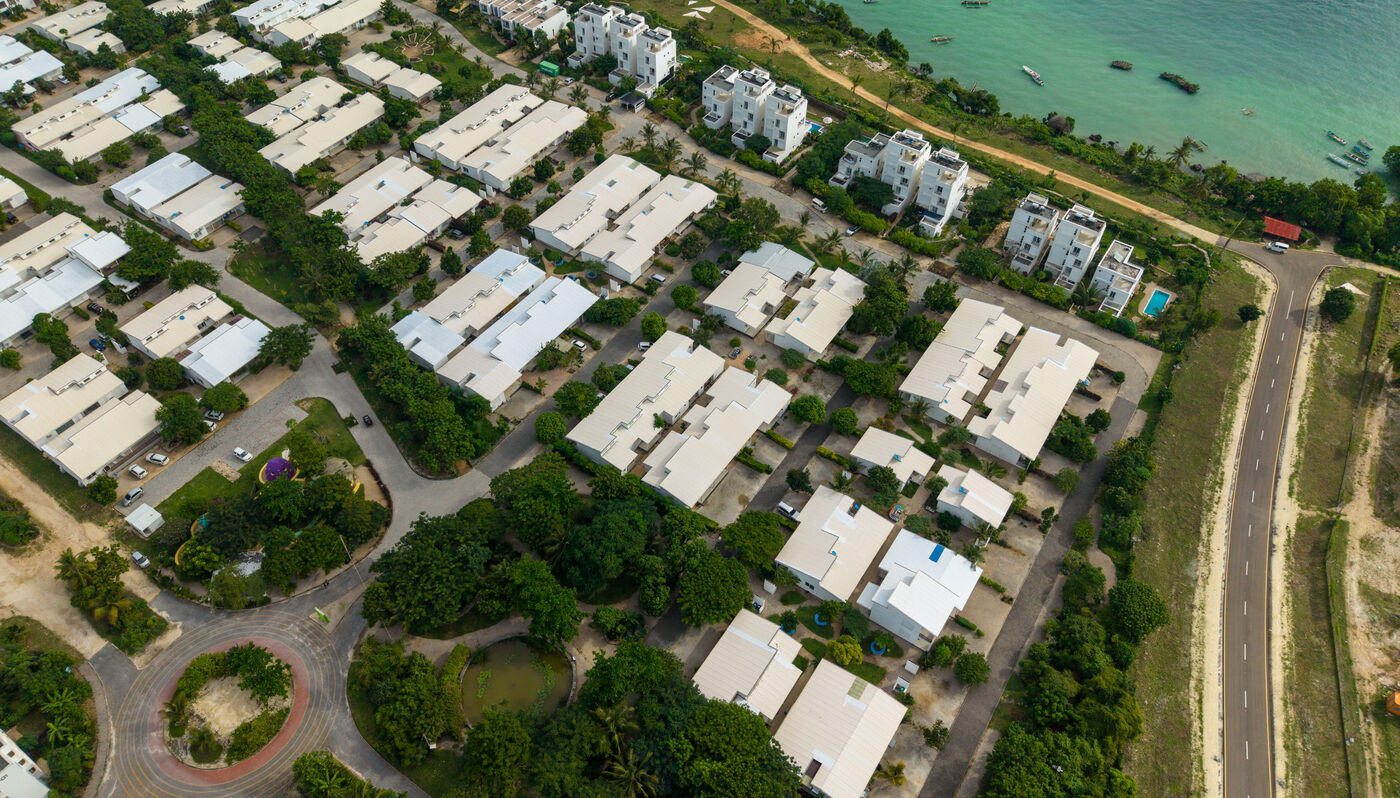
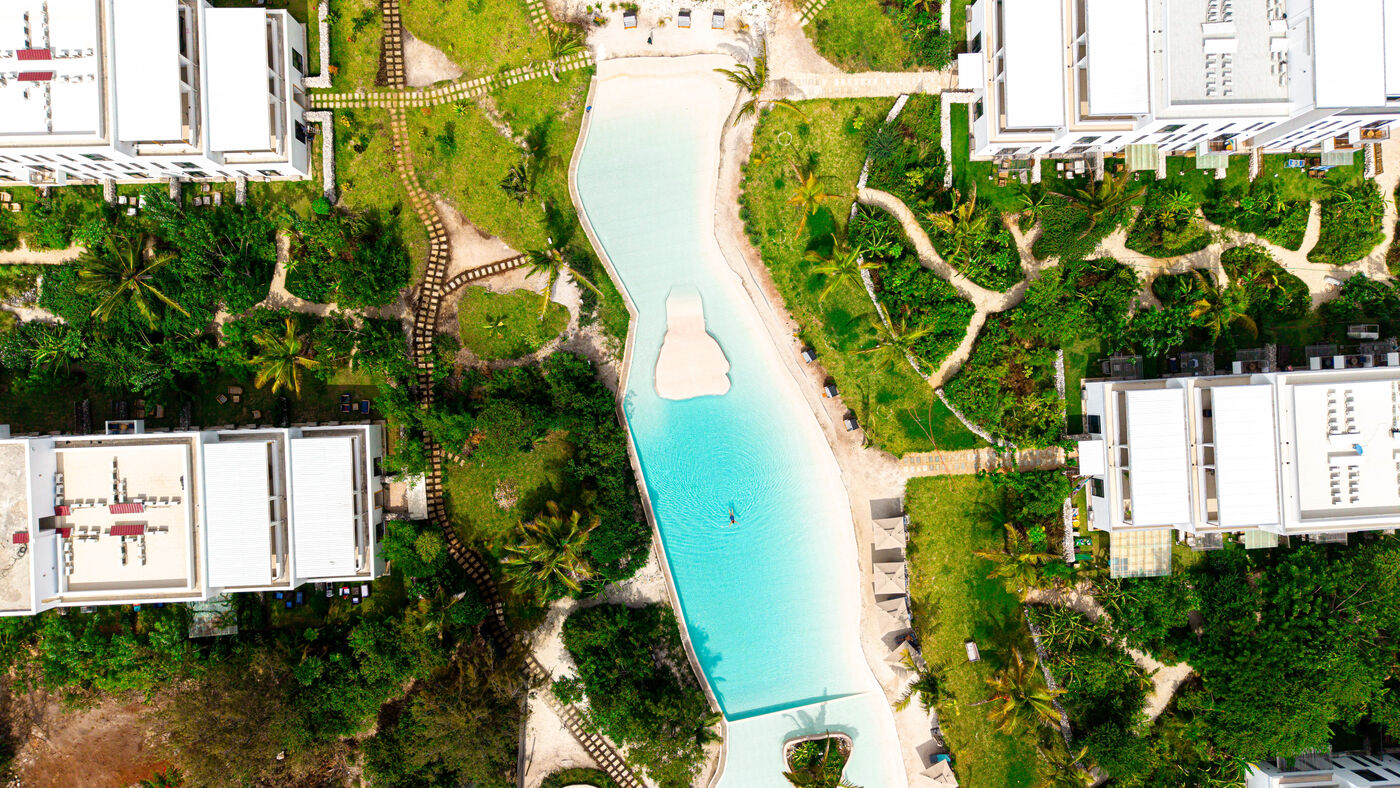
Site assessments, feasibility studies, and second opinions for developers, NGOs, and landowners.
Master plans, planting plans, water and earthworks design, signage and stewardship guides.
Earthworks, planting, irrigation, and soil-building executed by trained local crews.
Multi-year tending contracts that keep landscapes improving rather than degrading.
Workshops for residents, students, and partner organisations - in English and Kiswahili.
If any of this resonates, let's talk.
Start a conversation →